


Images are often the determining factor to attract the viewers’ eyes. A well-edited, professional image not only showcases the car, but it also instills confidence. Car dealers understand that a car with low-image quality, and the same car with good images can generate serious business in no time.
So, what tools do car dealerships use to edit vehicle images?
They rely on a mix of advanced photo-editing tools, AI-based applications, and expert programs. These allow them to touch up images, cover up license plates, correct lighting, replace backgrounds, and ensure consistency across listings.
In this blog, we’ll explore the essential editing tools car dealers use, why they matter, and how they streamline the selling process. Keep reading to get a complete overview of the best solutions available for dealerships today.
Why Dealers Need Editing Tools: 10 Key Reasons
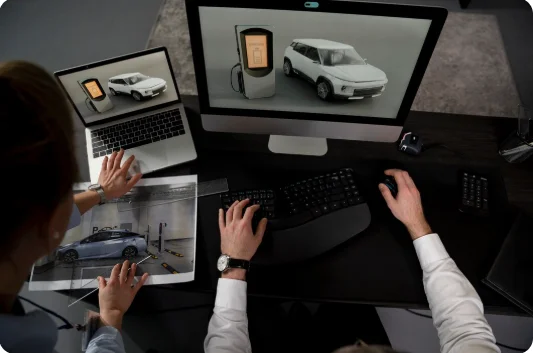
Automotive dealerships are in a competitive internet business. The first impression of a car is typically from a photograph. Even if the car is perfect, poor lighting, messy backgrounds, or distracting reflections could frighten consumers away. So, car dealers use various tools to edit vehicle images.
Car dealers use editing tools for reasons beyond looks. It solves major issues, improves marketing, and creates buyer trust. These are ten reasons why they are necessary:
- First Impressions Matter: Buyers make decisions in seconds, and edited images provide cars with a professional, glossy appearance.
- Fixing Lighting Issues: Editing eliminates harsh shadows, overexposure, or dull colors, making cars appear colorful and appealing.
- Removing Background Clutter: Uncluttered backgrounds avoid distractions. Clean cuts focus the eye on the vehicle itself.
- Maintaining Brand Consistency: Dealers may use the same edits for all images to create a consistent appearance that reflects professionalism.
- Highlighting Vehicle Details: Editing helps emphasize details like rims, headlights, or interiors that buyers care about.
- Meeting Marketplace Requirements: Online platforms have image requirements. Editing ensures compliance and prevents listing rejections.
- Maintaining Privacy: Blurring license plates protects personal data and maintains dealerships free from legal or trust issues.
- Savings on Cost & Time: Dealers save time, effort, and cost by avoiding the necessity of reshooting vehicles.
- Enhancing Older Images: Software upscans image quality, and older or lower-resolution images look new and crisp.
- Building Trust with Customers: Professionally edited but authentic-looking images builds confidence, leading to faster decisions and more conversions.
Editing software or apps is an instant solution to these problems. Rather than re-shooting cars multiple times, dealerships can use different tools to edit mistakes, standardize images, and portray vehicles in a professional light.
This makes editing tools a central part of online car marketing strategies.
7 Types of Image Editing Needed in the Automotive Industry
For dealerships, vehicle images serve as the first point of contact with potential buyers.
And editing ensures these photos are polished, consistent, and market-ready. The main types of editing used in the automotive sector include:
1. Background Removal & Virtual Studio Setup
Car photos often include distracting elements like-
- cluttered parking lots,
- people,
- or uneven surfaces.
Dealers use tools to replace backgrounds with neutral or studio-like settings, creating a clean, consistent look across all listings.
2. License Plate Blurring/Masking
Privacy and security are major concerns. Editing tools help dealerships quickly blur or replace license plates to prevent misuse of vehicle information.
Existing Relevant Content:
Why Do Car Dealerships Blur License Plates In Photos?
Can AI Blur License Plates Automatically in Car Images
3. Logo & Branding Adjustments
Consistency in branding builds trust.
Now dealers often add watermarks, replace old dealership logos, or ensure every image follows the same brand style guide.
4. Color Correction & Exposure Fixes
Cars photographed under poor lighting may look dull or misleading. Editing tools enhances brightness, sharpness, and color balance so that the vehicle appears true-to-life.
5. Scratch/Dent Retouching
Minor visual imperfections like dirt, scratches, or reflections can be softened. While dealers should never hide actual damage, polishing photos helps cars look cleaner and more appealing.
6. 360° Spin Images & 3D Views
Beyond simple edits, many dealerships now create rotating 360° views of cars. This immersive style of editing builds trust, as buyers can explore every angle online.
7. AI-Powered Enhancements
Artificial intelligence is changing the game by automatically adjusting lighting, cleaning reflections, and even generating showroom-style photos in seconds.
Together, these editing techniques not only improve a vehicle’s visual appeal but also strengthen buyer confidence. It undoubtedly leads to higher engagement and faster sales.
10 Key Tools Car Dealers Can Use to Edit Car Images
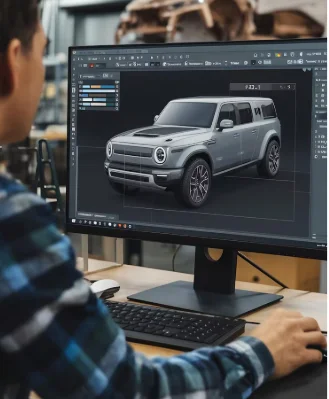
Car dealers need a range of software or app programs to provide high-quality images that sell. Photo editors that are industry standards are some, while others are AI programs that deal with car photography. These are the most common ones employed.
1. C-AR App
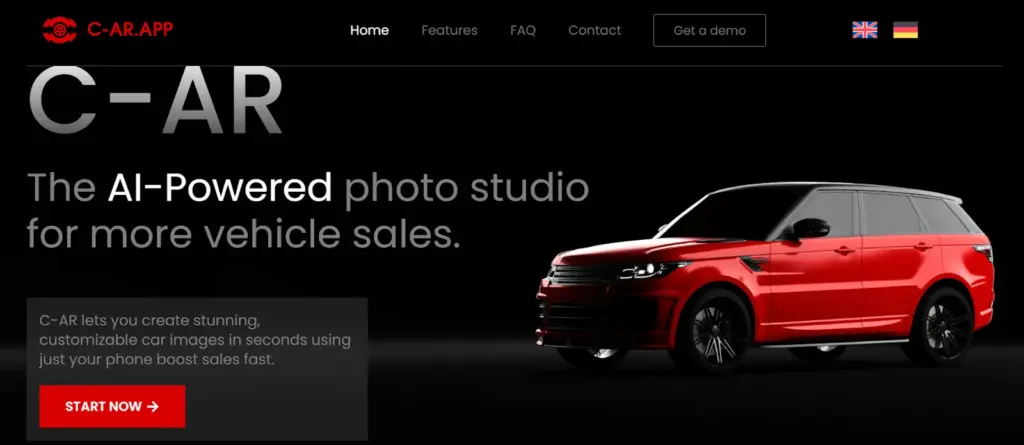
The C-AR App is a modern AI-powered solution designed specifically for automotive image editing. It automatically detects vehicles, removes backgrounds, and blurs license plates for privacy. Dealers can edit large volumes of photos in minutes.
Unlike general tools, the C-AR App is built for the car industry, ensuring compliance with marketplace standards. Its automation reduces costs and saves time, making it ideal for dealerships managing multiple listings daily.
2. Adobe Photoshop
Photoshop remains one of the most popular editing software among car dealerships. It is capable enough to perform professional edits such as background replacement, glare removal, color correction, and object removal.
Dealers will employ Photoshop when they need sophisticated edits or total control of every detail. It is particularly useful for the creation of marketing materials and promotional content outside the typical car postings. It does require training and can be labor-intensive.
3. Adobe Lightroom
Lightroom is a favorite among automobile dealers who require quick yet powerful edits. It is perfect for batch correction, meaning that dealers can use the same corrections or look to hundreds of images at a time.
It also gives slight corrections to light, contrast, and tones. Lightroom is used in the majority of dealerships for keeping listings consistent in style and branding. It is faster than Photoshop when used for day-to-day edits because it has a simple interface.
4. GIMP (GNU Image Manipulation Program)
For those who want professional-level editing features for free, GIMP is an open-source and free program. It comes with powerful tools for editing photographs, including color correction and retouching.
Although not as much of an advanced tool in automation features, GIMP is still a useful utility for budget-limited smaller dealerships. With some practice, the dealers are able to produce professional-level images equal to paid programs.
5. Background Removal Tools
Background clutter is one of the biggest issues in car photos. Dealerships usually employ car background removal tool such as Remove.bg or PhotoRoom to clean up photos.
Removing the car and replacing the background with generic or branded backgrounds, dealerships make the car the clear focal point. It also offers uniformity across a list of listings, rendering things more professional.
6. Plate Recognizer
Since license plates contain personal data, dealerships use AI software like Plate Recognizer to blur or cover plates automatically. This is not only a privacy measure but also a means to fulfill legal requirements.
AI-powered solutions are faster, scalable, and accurate than manual blurring. This is ideal for dealers who work with hundreds of photos daily. Privacy protection also encourages trust with clients.
7. Canva
While Canva is not an all-out photo-editing giant, some car dealers use it for quick adjustments and branding as an afterthought. Canva makes overlay, watermark, and dealership logo addition easy.
Canva’s drag-and-drop feature allows dealers to create promotional photos for social media or ad campaigns. For small-sized dealerships, Canva is an application used for marketing and design in addition to photo editing.
8. PhotoRoom
PhotoRoom is another AI-based app that has gained popularity in the automotive space. It provides instant background removal, color correction, and the ability to incorporate professional-standard effects on car images.
Car dealers typically use PhotoRoom for producing uniform pictures for e-commerce store websites. It’s especially useful for vendors who want rapid results without needing to invest in complex photo-editing tutorials.
9. Specialty Automotive Editing Software
In addition to general editing software, there are also software solutions for the specific industry of car dealerships. Those tend to include background replacement, reflection correction, and management of consistency.
Examples include cloud-based photo editors for dealerships that automate bulk photo edits. These save time and ensure all car photos are up to marketplace standards.
10. Mobile AI Photo Editing Apps
Smartphone apps with AI capabilities are now a necessity for dealers on the move. Automatically retouching, eliminating glare, and including preset filters for cars are common with most apps.
These apps empower sales reps to capture, edit, and publish photographs without needing a professional photographer. Dealers now find it possible to maintain professional standards even outside the showroom.
Use C-AR App to Enhance Car Images
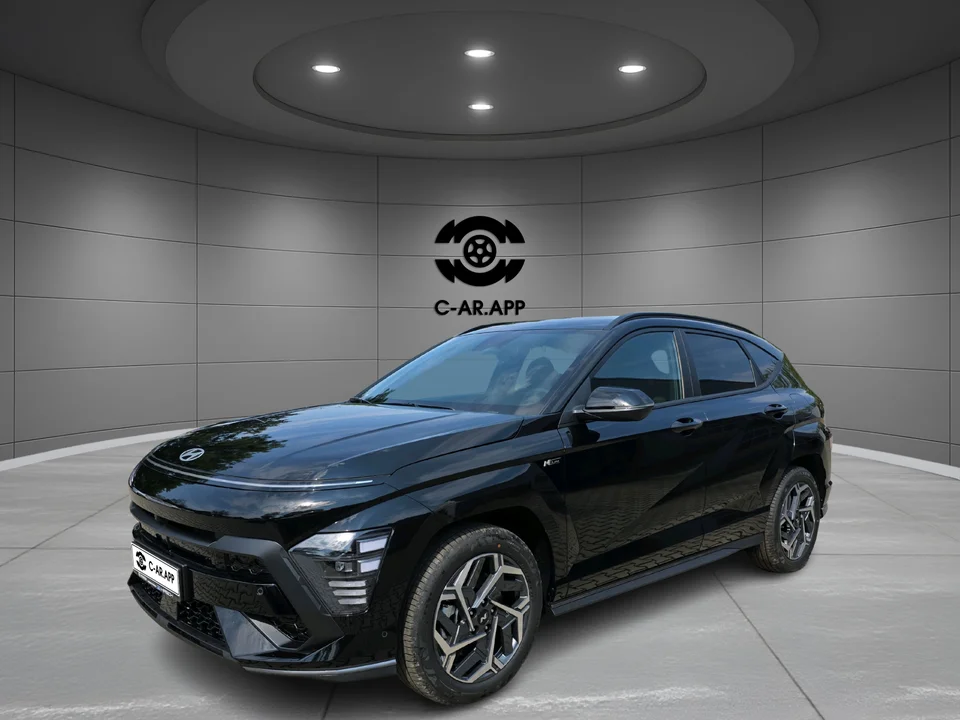
One of the most state-of-the-art tool options out there currently is the C-AR App, directly created for vehicle photography. It combines AI-powered editing with features tailored to car dealerships.
C-AR App automatically obscures license plates, alters backgrounds, touches up rims, and even adds reflective floor effects.
All vehicle photos look showroom-ready at the click of a button. Dealers can even add personalized logos and maintain consistency across their entire inventory.
Unlike other generic car photo editors, the C-AR App only deals with car sellers’ needs. It provides fast, professional, and scalable edits, which are time and cost savers for dealerships.
Features of the C-AR App that can help a Car Dealer:
- Photo Alignment Guides: Provides visual markers to ensure vehicles are captured from the correct angles.
- Privacy Blur Tools: Blurs license plates or sensitive details to protect privacy.
- Background Replacement: Offers multiple background options to create clean, professional visuals.
- Showroom-Style Floors: Adds glossy, reflective surfaces to simulate a studio environment.
- Custom Branding: Embeds dealership logos or watermarks for brand consistency.
- Car Polishing Effect: Smooths out imperfections and enhances overall vehicle finish.
For businesses that want to present cars in the best possible way, this application can be an all-in-one option. So, what are you waiting for? Get the C-AR App Now!
Major Mistakes Dealers Make When Editing Photos

Even with better machinery, mistakes can lower the standards of car images. Dealers must avoid over-editing and presentation discrepancies.
Some of the usual mistakes include:
- over-saturation,
- not erasing distracting reflections,
- or cutting off portions of the vehicle.
Excessive filters on photos can also produce unrealistic pictures, which undercuts purchaser confidence.
Editing needs to have the car appear its natural best and not completely different. A professionally edited photo exudes professionalism and honesty, which are essential in car sales.
Existing Relevant Content:
10 Photo Mistakes That Kill Your Car Sales (With Proven Solutions)
5 Best Practices for Editing Vehicle Photos
Even with the best tools, the way you edit matters. Dealers who follow a consistent strategy see higher engagement and build stronger trust with buyers. Here are some essential best practices:
1. Keep Edits Realistic
Over-editing or digitally hiding defects can damage customer trust. Always ensure that your photos accurately represent the vehicle while still looking polished.
2. Maintain Brand Consistency
Whether you use watermarks, color filters, or specific backgrounds, keep your images consistent. Buyers should instantly recognize your dealership’s photos across platforms.
3. Optimize for Online Performance
Large, uncompressed files can slow down websites and hurt user experience. Always resize and optimize images for fast loading without compromising clarity.
4. Show Multiple Angles
Highlight every important detail: exterior (front, back, sides), interior (dashboard, seats), close-ups (tires, wheels, infotainment), and unique features. The more comprehensive the gallery, the more confident buyers feel.
5. Subtle Branding with Watermarks
Watermark logos protect your images from being misused by competitors while reinforcing your brand identity. Keep them subtle, not distracting.
By following these practices, dealers not only make their cars look appealing but also project professionalism and credibility, both of which are key to winning buyer trust online.
Frequently Asked Questions
1. Do dealerships need professional photographers if they have editing software?
Not necessarily. Most photography needs can be accomplished within a dealership with the right tools and training. Professional photographers can still be useful for high-end marketing campaigns, though.
2. How is Photoshop different from Lightroom for dealers?
Photoshop is best for high-level, detailed editing, and Lightroom for batch editing and speedy adjustments. Both are employed by most dealerships depending on the task.
3. Can editing editors give a car that is not well maintained a brand new appearance?
Appearance can be improved with editing, but defects cannot be hidden. Overediting undermines credibility, and therefore honesty should be employed to represent the vehicle.
4. Are mobile phone editing programs as effective as desktop software?
Mobile apps are fast and convenient for edit work, but desktop software is more controllable and creative. Most dealerships combine both.
5. How important is consistency in car listings?
Consistency builds credibility and professionalism. Purchasers prefer listings where vehicles are photographed and edited consistently. It is a mark of credibility and attention to detail.
Conclusion
Car dealers use a lot of tools to edit vehicle images and improve their listings on the Internet. From advanced computer programs to AI app-based tools like, all these tools help sellers create clean, professional photos that sell cars. Together, these are the most valuable tools car dealers have to edit car photos.
Whether you’re a large dealership or one seller, mastering these tools is key to success in the competitive car market. By combining sound photography techniques with innovative solutions like the C-AR App, you can create car photos that inspire confidence, highlight quality, and travel at greater speeds.