


Taking good car pictures is really important to car enthusiasts, car dealerships, and car advertisers. Where you take the car photo can contribute a lot to the final product. Indoor and outdoor car photography advantages and disadvantages are of value to your time.
So, should you shoot car photos indoors or outdoors?
Well, it’s all up to your specific goals, budget, and final product. Both settings have pros and cons, which you need to consider while taking the car photos.
In this blog post, we will provide you with the factors that will help guide you in making a choice on where you want to shoot. You will also get some tips on how to select the best environment for your car photo needs. Keep reading to make the best decision for taking car pictures.
10 Factors to Consider When Choosing a Location to Take Car Photos
Before you decide if you want to photograph cars inside or outside, there are several key points that need to be weighed. These points will assist you in making the ideal decision of a photo spot.
1. Conditions of Light
Light is an important consideration in photography. Indoor light can be controlled, with the same result every time. Outdoor light varies from day to day and is not limited.
- Indoor Lighting:
Inside environments offer controlled lighting. Utilizing studio lights, photographers are able to achieve consistent and desired images, minimizing the risk of unflattering shadows or overexposure.
- Outdoor Lighting:
Natural light introduces a diverse range of options. Photography during the golden hour, like early morning or late evening can create soft, flattering light. Midday sunlight can lead to intrusive shadows and reflections, however.
2. Background and Environment
Background may complement or detract from the subject. Indoor environments usually consist of neutral backgrounds, while outdoor environments contain diverse and dynamic backgrounds.
- Indoor Backgrounds:
Garages and studios usually contain plain or simple backgrounds so the car is the main subject without distraction.
- Outdoor Backgrounds:
Natural scenery, cityscape, or scenic roads can convey meaning and interest to the car, emphasizing a feature or tale of the car.
3. Control Over Elements
Exteriors are easier to control externally. Externally, weather, traffic, and pedestrian flow can prove challenging.
- Indoor Control:
Shoots indoors allow photographers to exert control over climate, humidity, and surroundings, thereby being ideal for equipment and subject.
- Outdoor Challenges:
Inclement weather like rain, wind, or excessive sunshine may disrupt the quality of the shoot. On top of that, unwanted elements like approaching cars or pedestrians could be sources of distraction.
4. Equipment and Setup
Equipment choice also depends on the location of the shoot. Indoor shoots can have varied lighting arrangements, while outdoor shoots can have stabilization gear.
- Indoor Equipment Requirements:
Studio lights, reflectors, and tripods are commonly utilized to create effects and maintain consistency indoors.
- Outdoor Equipment to Use:
Lens filters, portable lighting kits, and gimbals or monopods for stabilization play the crucial role of adapting with changing outdoor situations.
5. Time and Scheduling
Time constraints may affect the location option. Indoor shoots are less time-sensitive, whereas outdoor shoots capitalize on specific light exposure.
- Indoor Flexibility:
Interior studios are available all year round and can be reserved at any time, providing flexibility in photographer and client schedules.
- Outdoor Timing:
Outdoor photography generally involves scheduling around specific times to get the best light, e.g., golden hour for soft, delicate light.
6. Budgetary Factors

Budget may influence where one does the shooting. Studio bookings would have rental fees, while outside shots would have permit or equipment fees.
- Indoor Costs:
Renting studios incurs the extra cost of lights, backdrop, and other amenities, all of which are additive costs.
- Outdoor Expenses:
There is travel expense, permits for shooting at specific venues, and potential hiring or acquisition expenses of equipment.
7. Post-Processing Needs
The level of post-processing needed might also vary based on the location of the shoot. Indoor shoots do not necessarily require any editing, while outdoor shoots might require exposure, color correction, and background enhancements.
- Indoor Editing:
Control of lighting and backdrops will take photographs that require very little post-processing, thereby saving effort and time.
- Outdoor Editing:
Photographs taken outdoors might require exposure, color correction, and background enhancements in order to produce the maximum impact.
8. Subject Type and Purpose
The type of car and the vehicle may be a deciding point for what kind of place to shoot. Luxury cars could be best for studio-like environments, and lifestyle shots can be obtained outdoors.
- Indoor for High-End Vehicles:
Concept or luxury vehicles look their best in a studio-like environment where nothing competes with the design of the vehicle.
- Outdoor for Lifestyle Shots:
Vehicles that are designed as lifestyle or adventure vehicles are likely to be best marketed in their respective natural settings, congruent to the nature and purpose of the vehicle.
9. Accessibility and Logistics
Also on the cards are accessibility to the location and logistics for filming.
Filming in indoor locations can be accessed easily, while outdoor locations may be challenging to access.
- Indoor Accessibility:
Studios would then be located in convenient areas with facilities, so the photographer and clients can easily access it.
- Outdoor Logistics:
Outdoor sites can be subject to permits, logistics, and transportation if they are off-location or high-traffic locations.
10. Creative Vision
Your creative vision must go together with the location of the shoot. The location must be suitable for the style and the message you intend to convey through the images.
- Indoor Creativity:
Studios allow the freedom for choreographed creative works, i.e., personalized lighting and backgrounds according to the theme of the shoot.
- Outdoor Inspiration:
The outdoors provides unique textures, hues, and features that can be the inspiration and help infuse realism into the images.
Indoor vs. Outdoor Car Photography: Head-to-Head Comparison
Still unsure which one to choose?
Here’s a quick comparison table that highlights the major differences between indoor and outdoor car photography. It will definitely help you make a faster and more informed decision.
| Topic | Indoor | Outdoor |
| Lighting | Controlled and consistent | Natural but unpredictable |
| Background | Controlled and consistent | Scenic, adds storytelling |
| Weather | Unaffected | Weather-dependent |
| Cost | Studio rent and setup fees | Usually cheaper, may need permits |
| Editing | Minimal touch-ups | Often needs color correction |
| Flexibility | Can shoot anytime | Depends on time and light |
| Creative Freedom | Total control over setup | Real-world depth and texture |
| Best For | Luxury or concept cars | Lifestyle or adventure cars |
Pros and Cons of Taking Car Photos Indoors
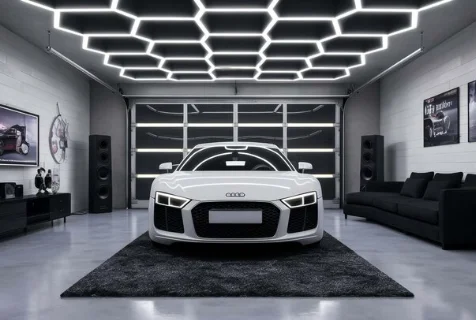
Some advantages and disadvantages of taking car photos indoors are mentioned below:
Pros:
- Complete control over lighting and shadow
- Fixed setup and background
- Weather and outside distractions are covered
- Reduced privacy and security cover
- Less editing needed on background chaos
Cons:
- Studio or interior location might have rental fees
- Space limitation might limit some angles or compositions
- Less natural atmosphere or lifestyle backdrop
- Setup needs lighting gear and setup
- More likely not to present the vehicle in its own environment
Pros and Cons of Taking Car Pictures Outdoors
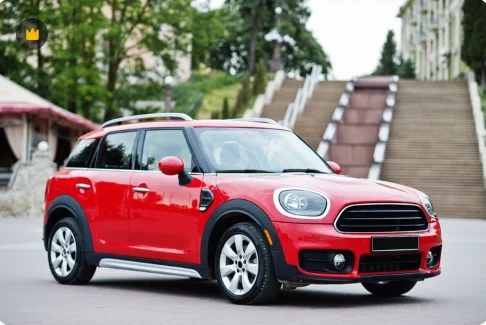
Some advantages and disadvantages of taking car photos outdoors are mentioned below:
Pros:
- Natural light provides realistic and dynamic images
- Comfy or scenic backgrounds provide story contexts
- More room for creative angles and compositions
- A true reflection of lifestyle or intended application of the car
- Easier to film motion or driving scenes
Cons:
- Dependent on weather and daylight
- Unpredictable reflections, shadows, or distractions
- Need to obtain permission or access permits to some sites
- Difficult to achieve continuity in many shots
- Needs additional post-processing for exposure or background adjustment
Indoor or outdoor Car Photography: Which Option Is Best for You?
Choosing between indoor and outdoor car photography depends on what you want to achieve with your shots. Both environments offer their own creative possibilities and technical benefits.
Why Indoor Car Photography is Best for You:
- You’re photographing high-end or concept vehicles that need a distraction-free setting.
- You want consistent lighting and reflections without depending on weather.
- You need to maintain uniformity across a series of marketing or product images.
Why Outdoor Car Photography is Best for You:
- You want to capture your vehicle’s personality and lifestyle through natural settings.
- You prefer using natural light and dynamic backgrounds to create visual interest.
- You’re shooting motion, adventure, or outdoor-themed cars that look better in action.
Ultimately, the “best” option isn’t universal. It’s mainly about the story you want to tell.
If your focus is precision, detail, and control, go for indoor photography. On the other hand, if you value realism, atmosphere, and storytelling, the outdoors will serve you better.
How to Achieve Best Results Indoors and Outdoors
In order to achieve the best results for indoor and outdoor car photography, you can follow these tips:
Tips for Shooting Indoors: Use softbox lighting, diffusers, and reflectors. Make uniform backgrounds. Employ polarizing filters to manage reflections.
Tips for Shooting Outdoors: Take golden hours for soft illumination. Use pocket reflectors to introduce fill-in shadow. Select open areas. Monitor weather and timing closely.
Professional Techniques for Professional Car Photos
Here are some tips and techniques that can help you give your car photos to a professional touch:
- HDR photography to control highlights and shadows
- Focus stacking for sharpness from front-to-back
- Utilizing drones for over-the-top or creative shots outside
- Experimenting with reflections on shiny surfaces
- Taking dynamic motion photos outside if possible
Use C-AR App to Enhance the Car Photos
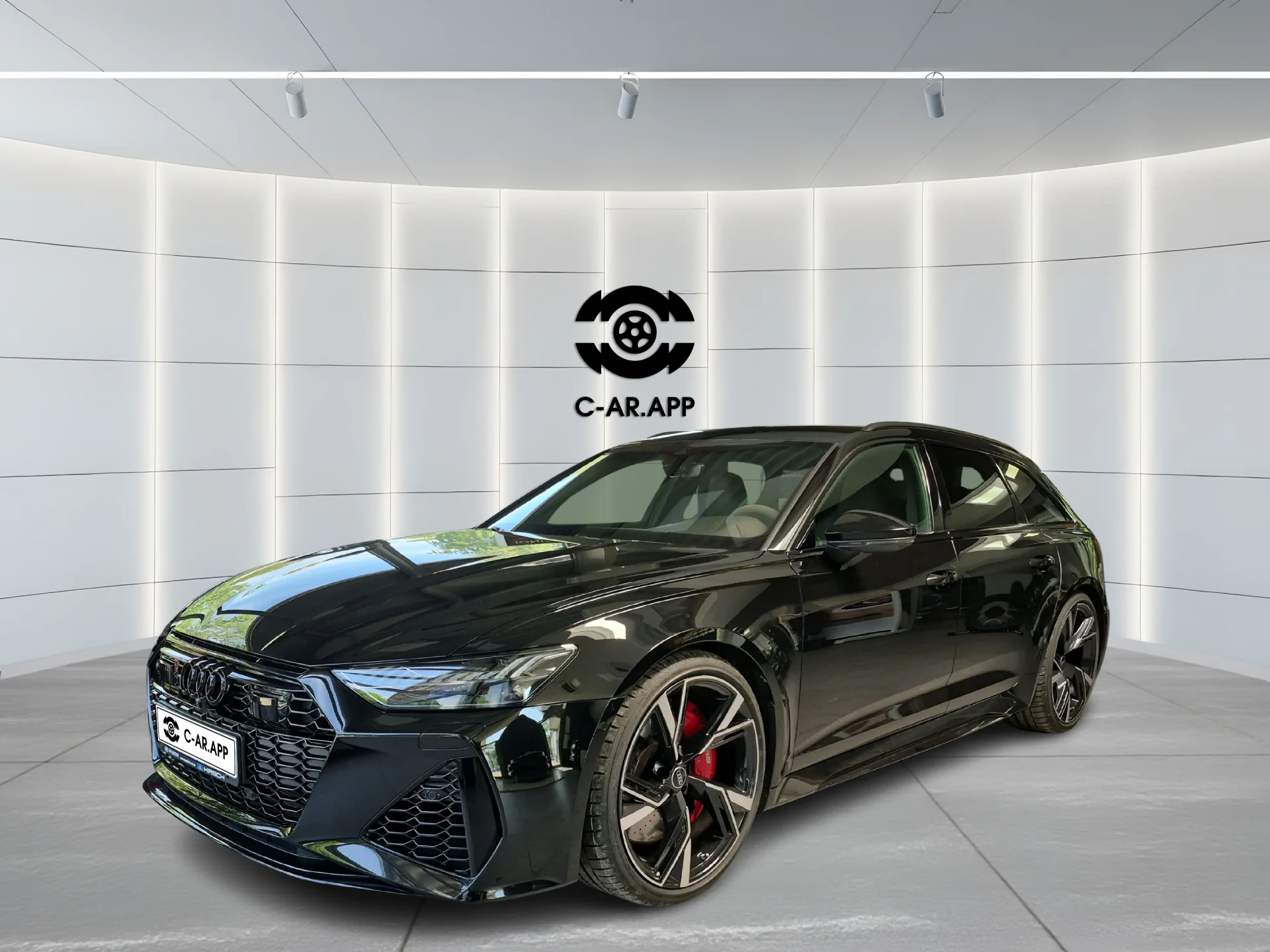
Once you have snapped a photo of your vehicle, it is most crucial to edit them in a way that they become memorable. The C-AR App is an AI-powered app that has been designed specifically for photographing cars.
- Background Removal:
The app removed the background automatically so that you can place the vehicle in any setting you prefer.
- License Plate Obfuscation:
It preserves privacy by blurring or erasing license plates from images in accordance with privacy protocols.
- Reflective Floor Effects:
Features realistic reflective floor effects, so your vehicle looks like it has just rolled off a showroom.
By incorporating the C-AR App into your workflow, you can make your car photos extremely professional for sale and marketing.
Frequently Asked Questions
Can car shots be taken indoors without any professional equipment?
Yes, with very minimal lighting equipment and an extremely good camera, you can take good indoor car shots.
How do I prevent car window reflections during outdoor car shots?
By putting a polarizing filter on your camera, the reflections will be minimized and your shots will have an added level of clarity.
Must I photograph at golden hour to achieve good outdoor car photos?
While not required, photography during golden hour provides soft, flattering light that heightens the beauty of the vehicle even further.
Can I photograph cars in a typical garage?
Yes, a typical garage can be a great indoor photography location with sufficient lighting and planning.
How can I achieve consistency in my car pictures?
Sharing the same light, camera settings, and editing style on the photographs will also make your pictures consistent.
Conclusion
Taking car photos indoors or outdoors will depend on various factors like lighting, backdrop, ease of manipulation of elements, equipment, time, cost, post-processing needs, subject type, access, and your imagination. Keeping those in mind will drive you to come up with the best setup for the car photography.
Using apps like the C-AR App will also further enhance your photos, with professional results regardless of where you take your photos. Understanding what makes weak and strong indoor and outdoor car photography will allow you to make decisions based on what you can achieve within your budget and aims.