

Selling a car is not just about presenting a vehicle. It is a strategic process that merges psychology, communication, and product expertise. Each successful salesperson has a structured way to move customers from curiosity through to purchase. These steps ensure a smooth, consistent, and customer-friendly experience leading to higher conversion rates.
So, what are the 10 Steps to Car Sales?
These are a series of tried-and-tested selling methodologies that range from greeting the customer to confident delivery. Each of the steps plays an important part in garnering trust, uncovering needs, offering the right solution, and closing the deal effectively.
The process is built on gaining trust and gently guiding the customer, which should be kept in mind before moving into exploring the steps.
Each of these steps will help in structuring the journey of customers and avoiding confusion to drive clear decision-making. Below is a detailed insight into the breakdown of the 10 Steps to Car Sales.
1. The Meet-and-Greet

The first step sets the tone for everything that follows. Ever wondered why some customers instantly feel comfortable in a dealership? It’s because of a warm greeting. A proper introduction helps lower customer resistance and signals professionalism from the very beginning.
- Create a friendly and confident first impression
A salesperson should smile, have open body language, and greet politely. This will immediately create trust and show the customer that the approach is not fictitious. A customer welcomes being opened up rather than pressed upon.
- Ask open-ended welcome questions
Instead of asking “Can I help you?”, which invites a quick rejection, try questions like:
“What brings you in today?” or “Are you exploring options or looking for something specific?”
These keep the conversation going and help you understand their intentions early on.
2. Building Rapport
Building rapport strengthens the relationship before discussing vehicles. People buy from people they like; therefore, making the connection helps make customers feel wanted and understood. This step reduces hesitation and builds the foundation for the remaining process.
- Use natural conversation starters
Discussion topics like weather, recent car trends, or their current vehicle will make a customer comfortable. Light conversation breaks barriers and provides the comfort customers need to relax. This step creates the emotional tone of the entire sales journey.
- Be genuinely interested in their needs
Listen actively to what they say about prior experiences, preferences, or concerns. When customers feel heard, they are more likely to trust your recommendations and result in a successful sale.
3. Understanding Customer Needs
This step involves discovering exactly what the buyer wants. Ever wondered how top salespeople instantly know which model to show?
They ask the right questions. Understanding customer lifestyle, budget, and expectations helps guide them toward the perfect vehicle.
- Ask targeted qualification questions
These include inquiries like budget, daily usage, seating requirements, fuel preferences, and must-have features. Such questions shorten the decision-making process and prevent showing irrelevant vehicles.
- Identify emotional and practical motivations
Customers often buy based on emotions. Some want safety, others want style, and some need affordability. Understanding the “why” behind their purchase helps you tailor your pitch effectively.
4. Presenting the Vehicle
Once the customer’s need is understood, the next step is showcasing the right vehicle. At this step, excitement should build up. A proper presentation highlights features that matter specifically to that buyer, not listing everything blindly.
- Give a personalized walkaround
Highlight the characteristics that respond to the customer’s needs identified in previous discussions. For instance, should they be anxious about their safety, stress upon airbags and sensors and braking. This makes the presentation relevant and more persuasive.
- Tell stories and use cases.
Describe real-life scenarios to the customers, helping them imagine themselves using the vehicle. Mention how the cargo space comes in handy during long-distance journeys or how fuel efficiency saves them money every month. People connect more emotionally with stories.
5. Feature Demonstration
A powerful features demonstration animates the vehicle, so to speak. Often, customers remember experiences more than descriptions. The step is all about showing rather than telling, which makes the benefits tangible.
- Explain features in simple, relatable terms.
Avoid overwhelming technical jargon; instead, connect each feature to a functional benefit: convenience, safety, or savings. Clear explanations help a customer make sense of the value instantly.
- Encourage manipulative play
Invite them to sit inside the vehicle, adjust the seats, test the infotainment, and explore controls. Such physical involvement builds stronger emotional attachment, making them imagine owning the car already.
6. The Test Drive
A test drive is a turning point. Try searching for “why test drives are important in car sales?” It’s because customers solidify their buying decision here. A test drive provides an emotional experience that no explanation can match.
- Plan the route strategically
Pick a route that includes bends, short accelerations, and open stretches so the customer can feel the car’s full performance. This will help to emphasize comfort, handling, and safety.
- Guide the customer during the drive
Point out important features as they experience them, such as lane assist or braking smoothness. This reinforces the benefits and answers questions naturally as they arise.
7. Overcoming Objections
Customers typically start raising their concerns once the test drive is over. Common questions range from cost, maintenance, or comparisons to other models. Taking care of these effectively is a major step in converting hesitation into confidence.
- Acknowledge concerns without dismissing them
Show empathy and acknowledge concerns. This will maintain respectfulness within the dialogue and make customers feel assisted instead of coerced.
- Offer data-driven reassurance
Address objections using facts, warranty information, maintenance costs, and comparisons. Clear, knowledge-based responses convey professionalism and quickly remove confusion.
8. Negotiation and Pricing
One of the most delicate steps is negotiation. Ever wondered how professionals actually get to negotiate without having to give away profit? Their focus is on value, not on reducing price. The aim is to help the customer feel he or she is getting a fair and worthwhile deal.
- Show prices clearly
Clearly break down costs and explain why the price reflects the quality, durability, and features. Transparency reduces suspicion and makes customers more open to agreeing.
- Offer flexible solutions
Consider offering trade-ins, financing plans, or seasonal offers. Giving customers a choice empowers them and enhances your chances of reaching a successful agreement.
9. Closing the Deal
Closure confirms the choice of the customer; this is where confidence really matters. The top salespeople intuitively know when the buyer is ready for this, and they smoothly guide them through that final confirmation.
- Use assumptive or alternative closes
Ask questions like, “Would you prefer the silver or the black model?” or “Would you like delivery tomorrow or next week?” These encourage a positive decision without feeling pushy.
- Celebrate their decision and reassurance
Reinforce that they made a smart decision and highlight the features they chose. This creates excitement and prevents last-minute doubts.
10. Delivery and Follow-Up
This last step is what will create long-term satisfaction and repeat business. Delivery is more than handing keys; it is the moment the customer officially becomes a member of the family at this dealership. Follow-up creates loyalty and future referrals.
- Perform a full delivery walkthrough
Show them all essential controls, warranty details, and maintenance tips. This prevents confusion later and improves customer confidence after the purchase.
- Follow-up after the sale
Follow up after a few days for satisfaction. This small gesture strengthens trust and increases the chances of getting back returning customers with referrals. Always, try your best to provide the best after-sales service possible, as it is really important.
What Skills Make a Successful Car Salesperson?

A great salesperson incorporates communication, product knowledge, and emotional intelligence in a powerful mix. Here are some of the key skills that can help someone enjoy long-term success in car sales:
- Strong Communication Skills: Clear communication helps provide accurate information and builds rapport. It ensures customers understand features, pricing, and options. Good communicators make buyers feel confident and informed; thus, hesitation is reduced.
- Product & Market Knowledge: Knowing everything from trims to pricing to engine types to financing options builds authority. Purchasers trust salespersons who explain differences quickly and with confidence.
- Emotional Intelligence: Understanding customer emotions can help guide a conversation. It allows the salesperson to respond in a calm, trustworthy manner. Objection handling or hesitation-this skill is key in handling.
- Patience & Persistence: Some customers need time for making decisions, and some need further reassurance. Patience helps prevent overwhelming them. Persistence ensures that leads are not lost and opportunities remain active.
4 Common Mistakes Car Salespeople Make

Before improving your sales process, it is necessary to recognize the mistakes that would drive customers away. The following are some of the most common mistakes that slow down car sales and reduce conversions.
1. Talking Too Much and Listening Too Little
Many salespeople overwhelm their customers with information that is not required. The result is that the buyer will either feel misunderstood or pushed. Listening identifies the real needs on which effective recommendations can be made.
Good listening earns trust, and buyers feel heard, which seals the deal. If it is lacking, even strong leads may lose interest.
2. Not following up in good time
Customers get the sense that the dealership is not interested in them if follow-ups are delayed. Because most buyers compare a number of dealers, timely communications become critical.
Quick follow-ups are a sign of professionalism and will help you capture undecided buyers.
3. Disregarding Online Presentation
It’s amazing how some salespeople overlook how buyers initially view cars online. Poor or inconsistent photographs cut enquiries immediately.
High-quality visuals make listings stand out, build credibility, and drive more showroom visits-which is why digital presentation matters.
4. Being Too Pushy
People don’t like pushiness, and they walk away from pressure. Gentle persuasion and transparency build better engagement.
Pushiness damages trust, while a consultative approach strengthens the likelihood of a sale.
Why Car Sales is a Psychological Process

Ever wondered why buyers often decide based on emotion before logic? Car sales involve a number of psychological triggers that shape decisions. Below are some factors influencing buying behavior.
1. First Impressions Matter
Customers immediately form opinions based on the salesperson, environment, and the car’s appearance. A positive impression engenders trust and holds buyers longer.
2. Status or Identity Needs
Most buyers select cars that identify them, or are an expression of themselves. The selection is often emotional and is influenced by luxury, performance, or practicality. Understanding identity-driven motives helps salespeople tailor pitches accordingly.
3. The fear of making a wrong purchase
The buyers fear latent defects, regret, and price mismatch. Addressing fears with transparency and information makes them more comfortable.
4. Trust and Reassurance
Buyers are attracted to sales representatives who seem confident and trustworthy. Trust leads to smoother negotiation and heightened satisfaction.
How Digital Tools Improve the Car-Selling Experience
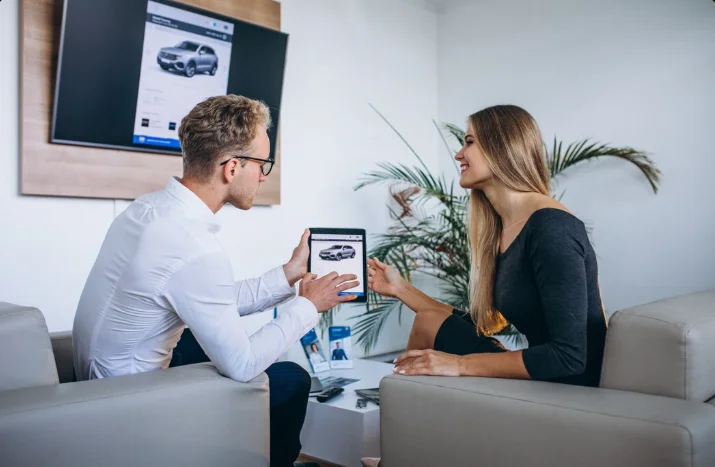
Technology today shapes how customers browse, compare, and evaluate vehicles. Such tools ease communication and make it quicker for salespeople to close a deal.
- CRM Software for Lead Management: CRM systems track customer interactions, follow-ups, and preferences. They keep sales teams organized and reduce the risk of losing potential buyers.
- Virtual Tours & Online Configurators: Today’s buyers research trims, colors, and features online before ever walking into the dealership. This hastens decision-making and makes all visits more information-driven.
- Professional Car Photo Apps: High-quality photos increase customers’ interest and build their trust. Many buyers decide whether to visit the showroom based solely on the visuals.
Apps like C-AR enhance lighting, correct reflections, blur plates, and create clean showroom-style images instantly.
- AI Chatbots and Online Appointment Systems: AI tools help answer customer questions anytime. This enhances ease of access and timely processing of leads.
4 Signs a Customer Is Ready to Buy
Understanding the buying signals helps salespeople in closing the deal at the right time. Following are some common indications that a customer is moving towards a decision.
- Asking About Payment Options: Questions about financing or monthly instalments are indicative of serious intent. They signal that the customer is imagining ownership.
- Requesting a Second Test Drive: A second drive reveals emotional attachment and confidence. Most buyers test twice before a final decision is made.
- Asking About Delivery or Warranty: After-sale services questions mostly pop up prior to a buyer closing. That shows they plan long-term ownership.
- Comparing Two Models Seriously: Narrowing down to two options signifies that customers are close to the final decision. This is your time as a salesperson to guide them toward the right pick.
Use the C-AR App to enhance the car photos
The above process involves human interaction, while pictures play an enormous role in lead generation.
Often, the quality of photography determines if a customer will go to the dealership or not.
Ever wondered why one online listing for cars gets more clicks? It’s because of clean lighting, accurate color, and professional composition.
The C-AR App allows sales teams to enhance vehicle photos instantly. It polishes the rims, creates subtle reflections, polishes backgrounds and helps you to create studio-quality images.
Dealers use it to make their listings stand out and attract serious buyers faster while maintaining consistency across all online platforms.
Frequently Asked Questions
Do all salespeople follow the same 10-step system?
Most dealerships follow a similar pattern, with slight variations depending on brand guidelines.
How long does a complete sales process usually take?
It takes anywhere from 30 minutes to several hours, depending on customer research, test drives, and negotiation.
Is negotiation always necessary when selling cars?
Not always. Some dealerships use fixed pricing, while others expect to negotiate as part of the process.
Are customers required to test drive before buying?
Although not required, test drives dramatically enhance decision confidence and lessen buyer’s remorse.
How do salespeople handle aggressive buyers?
They use calm communication, data-backed explanations, and firm but respectful boundaries.
Conclusion
The 10 Steps to Car Sales describe a seamless customer journey based on trust, communication, and expertise. Each stage makes a logical progression that helps the buyer move smoothly and confidently to the right decision.
When executed properly, such steps engender strong relationships with customers, lasting well beyond the singular transaction.
Modern tools and techniques now support this process even further. For example, high-quality vehicle images accessed through apps like C-AR seal interest for customers before they even physically visit a dealership.
These steps, put together with great salesmanship, relevant communication, and strong presentation, allow for a powerful and effective sales strategy.